
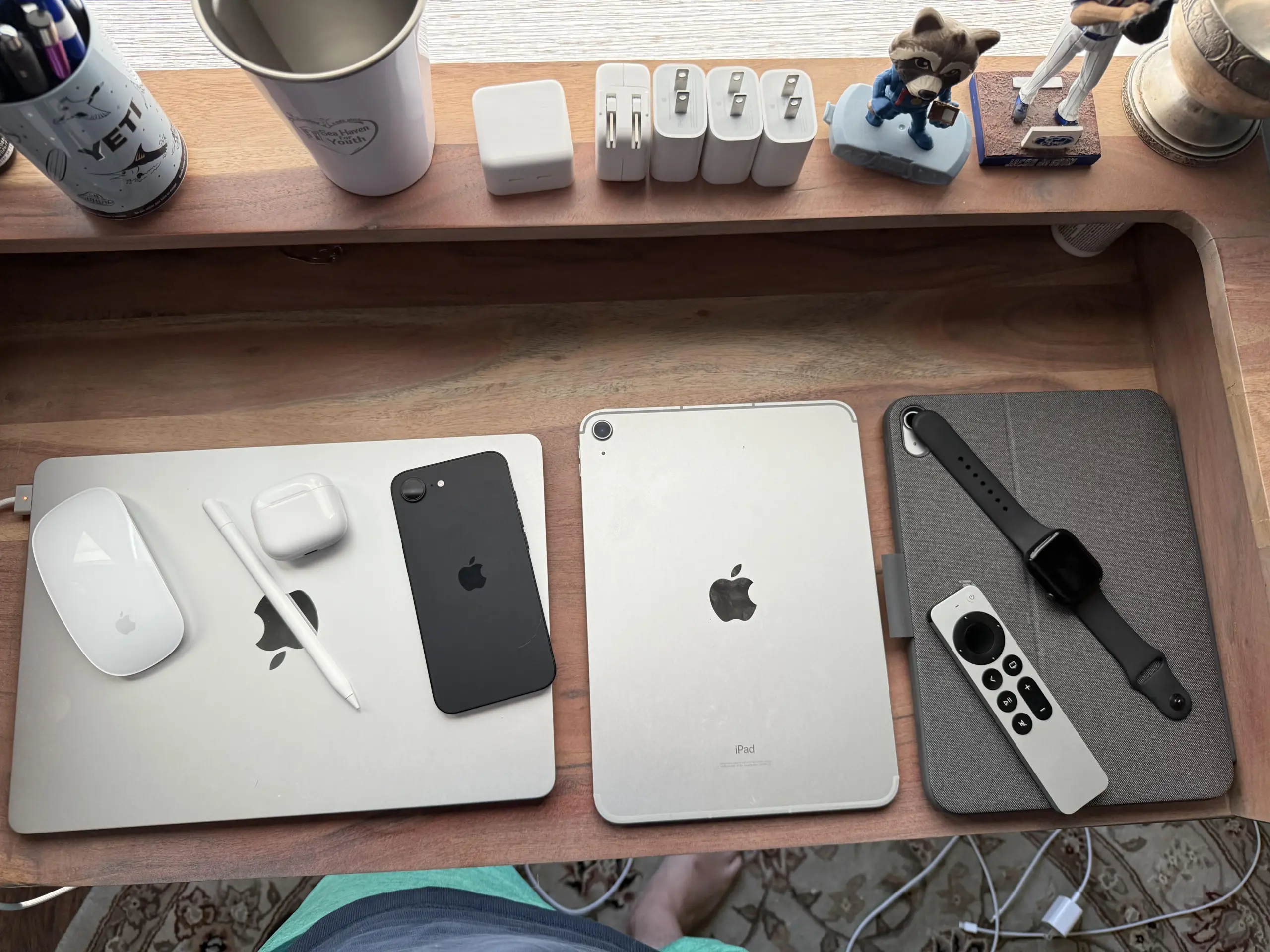
Mac + iPhone continuity in 2026 is one of those “small” features that becomes huge once you rely on it. The value isn’t that it’s flashy. The value is that it removes dozens of tiny interruptions: emailing yourself links, hunting for cables, retyping short codes, switching devices just to answer a call, or breaking focus because one file lives on the wrong screen. Continuity works best when you treat it like a workflow system rather than a list of tricks. You pick the few features that match your routine—clipboard sharing, calls and messages on Mac, fast sharing for files and photos, and handoff between apps—then you make sure the underlying foundations are stable so it feels instant instead of flaky. The lifehack is minimizing context switching. Every time you pick up your phone mid-task, you risk falling into notifications and losing focus. Continuity reduces those pick-ups by letting the Mac handle quick phone interactions and letting the iPhone supply quick actions without becoming a distraction. When it’s configured well, it feels like you have one workspace across two devices.
Clipboard and text flow that actually saves time: copy once, paste anywhere, and stop retyping small details
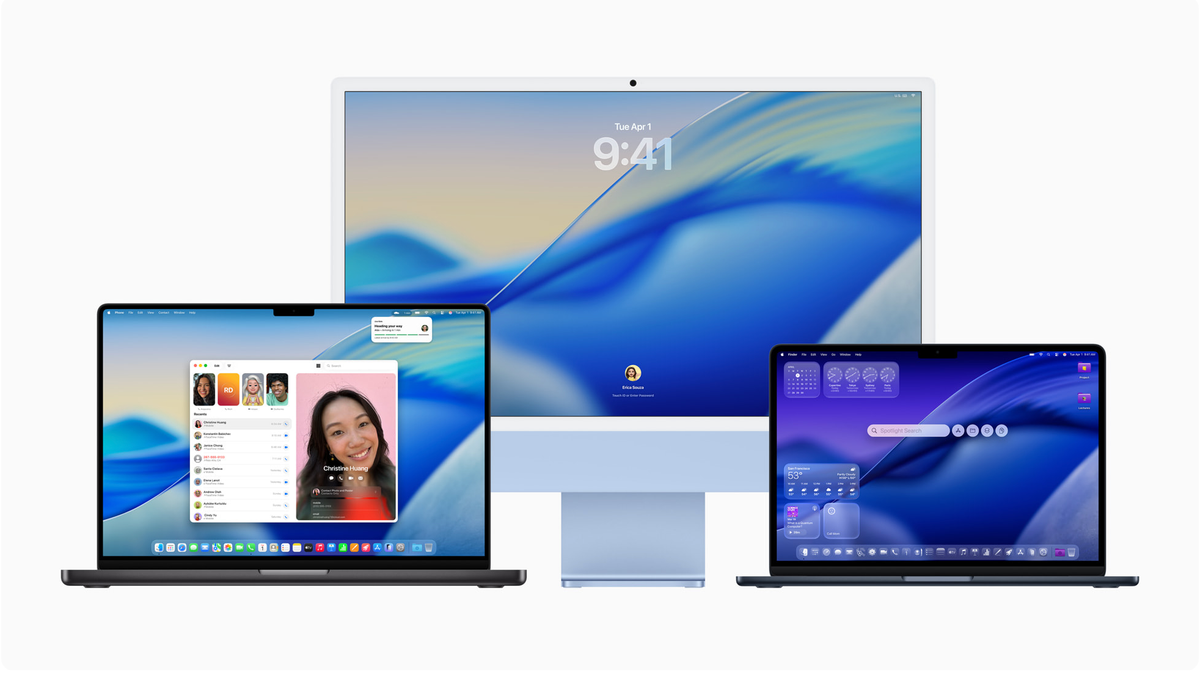
Clipboard sharing is the simplest continuity win because it removes the most annoying micro-task: moving tiny bits of text between devices. The lifehack is using it intentionally for the things that normally create friction: one-time codes, short addresses, links, and snippets you’d otherwise retype. When the shared clipboard is working smoothly, you can copy a link on your iPhone and paste it directly into a Mac browser, or copy a phone number on your Mac and paste it into a message on your iPhone. This becomes a quiet productivity boost because it eliminates repeated manual steps. Another practical trick is using it to reduce errors. Re-typing passwords, serial numbers, or long IDs is where mistakes happen. Copy-paste across devices prevents that. To keep it reliable, avoid having multiple clipboard apps fighting for control and keep your devices within a reasonable range. If clipboard feels delayed, it’s often because connectivity conditions aren’t stable, so keeping Wi-Fi and Bluetooth enabled consistently on both devices helps it feel instant. The real payoff is not one dramatic moment; it’s the daily accumulation of fewer interruptions. When you stop retyping and stop emailing yourself small items, your focus stays on the work rather than on moving text around.
Calls and messages on Mac: fewer phone pickups, better focus, and smoother “real life” interruptions
Calls and messages on Mac are valuable because they reduce the number of times you grab your phone while you’re working. The lifehack is enabling the features that let the Mac handle simple communication while the iPhone stays out of sight. Taking a call from your Mac is not just convenience; it’s a focus tool. You can answer, mute, and end a call without shifting your attention away from what you’re doing, and you avoid the temptation to unlock the phone and drift into notifications. Messages work the same way. Quick replies from the Mac keyboard are faster, and they keep your workflow anchored on one device. Another benefit is context. If you’re already viewing a document or a calendar on your Mac and someone calls, you can respond with the relevant info immediately without juggling screens. The setup lifehack here is making interruptions calmer. Customize notifications so calls and important messages are allowed through while low-value notifications stay quiet. If every app on your iPhone pushes alerts to your Mac, you’ll hate continuity because it turns your computer into a notification wall. Instead, keep your Mac notifications curated so the continuity features feel like useful integration, not added noise. When done right, calls and messages on Mac become a controlled bridge between “life” and “work” rather than a distraction trigger.
Fast sharing and handoff: move files and tasks quickly without breaking flow or creating duplicates
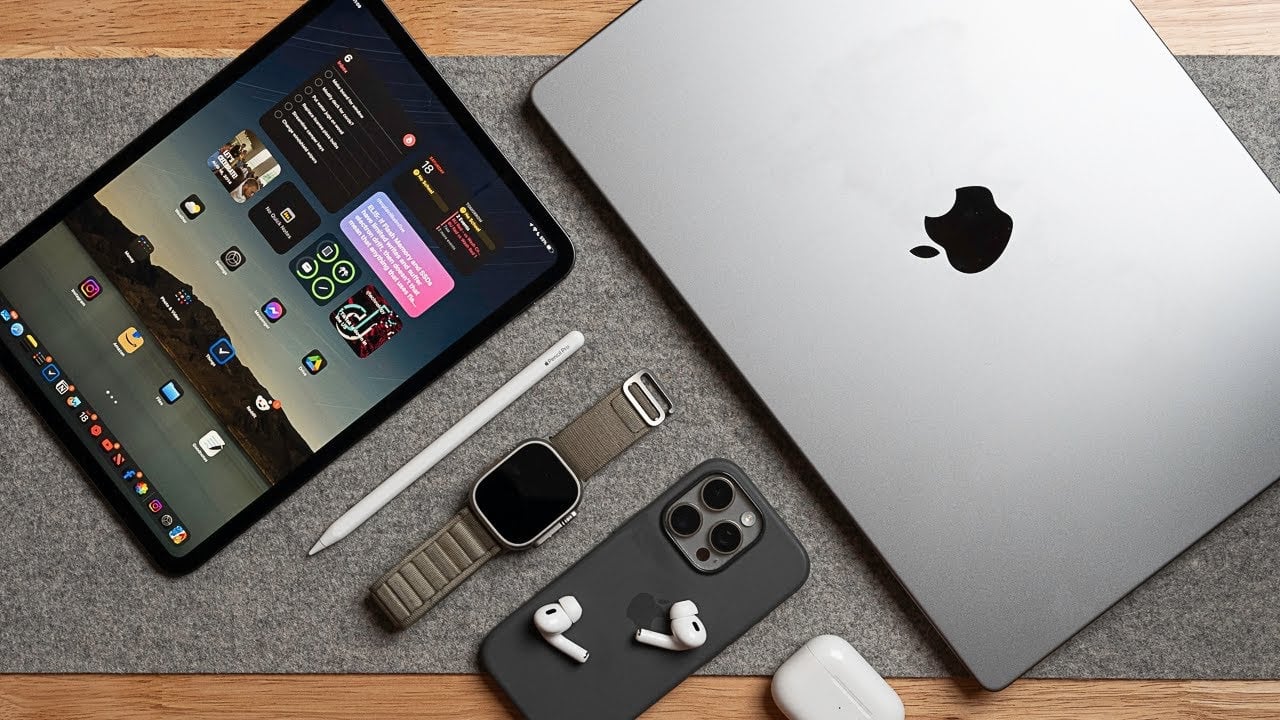
Fast sharing is the continuity feature that prevents “where is that file?” moments. The lifehack is using quick sharing for the categories where speed and clarity matter most: photos, screenshots, PDFs, and short videos you need to move into a project. Instead of sending media through a chat or email—where it can compress, duplicate, and get buried—use direct device-to-device transfer so the file arrives intact and is easy to locate. The same applies to links and small documents. When you share cleanly, you reduce duplicates because you’re not creating multiple copies across apps. Handoff is the other flow saver. It’s best for tasks that start casually on the phone and become serious on the Mac: reading an article, drafting a note, checking a map location, or starting an email reply. The lifehack is recognizing when you should “graduate” a task to the Mac. If you feel yourself doing more than a quick glance on the phone, hand it off to the Mac and keep the phone as a supporting device rather than the main workspace. This reduces context switching because you stop bouncing between devices mid-task. To keep sharing and handoff smooth, maintain a clean app ecosystem. If you have multiple apps that can handle the same file types, you can accidentally send content into the wrong place and create messy duplicates. Pick your default destinations—your main notes app, your main cloud folder, your main photo workflow—and stick to them. Fast sharing should feel like a direct pipeline, not a mystery.